Start Vending Business with $0 Upfront. Click here
1-Year Warranty & Nationwide Support
Start Vending Business with $0 Upfront. Click here
1-Year Warranty & Nationwide Support
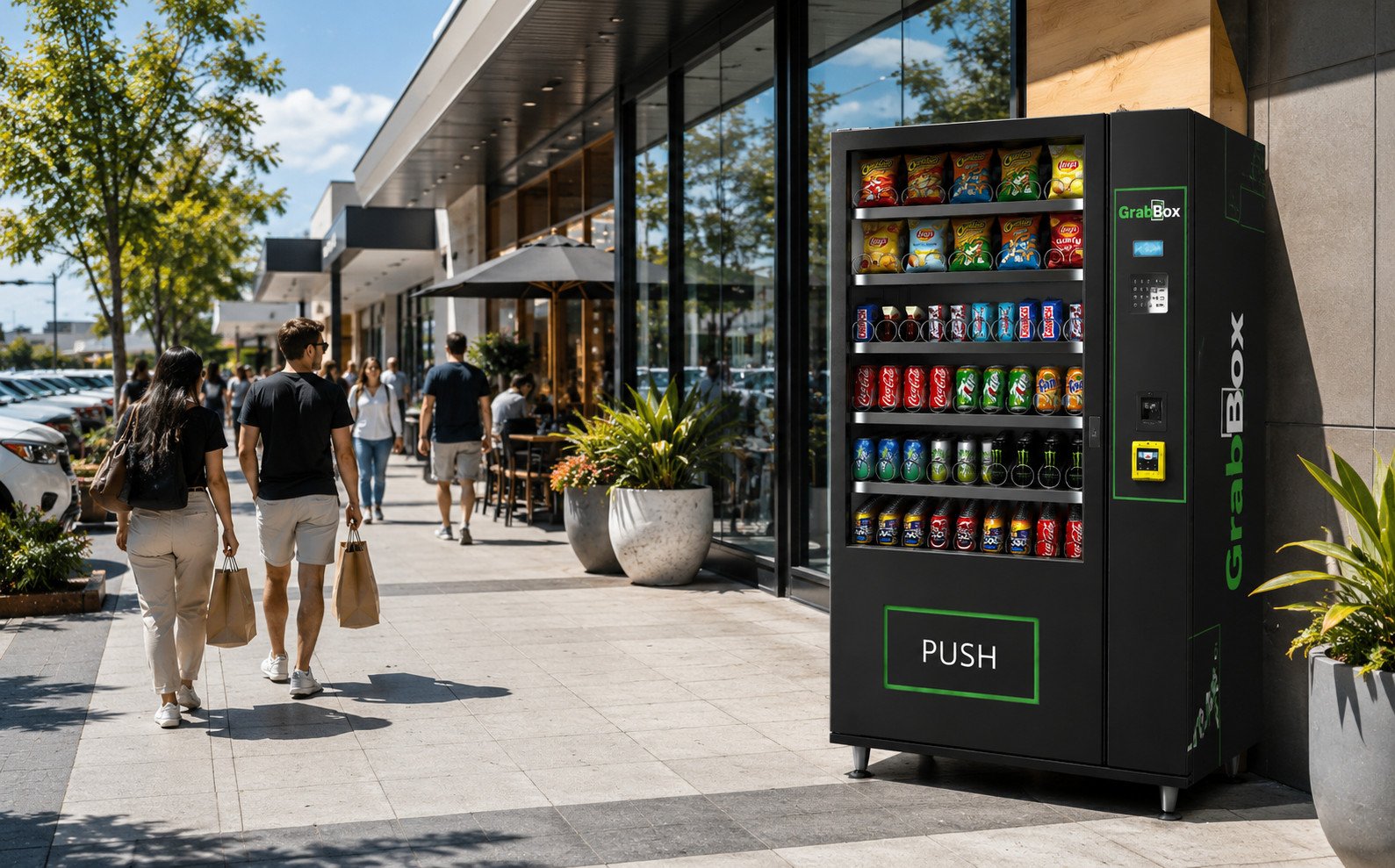
Starting a vending machine business in Australia is one of the most straightforward ways to build a passive income stream. Low startup costs, no staff required, and machines that generate revenue around the clock. But like any business, success depends on starting with the right foundation.
This guide covers everything you need to know to start a vending machine business in Australia — from your first machine purchase through to scaling your operation.
The short answer is yes — for the right person in the right location. Here is why vending machines appeal to so many Australian entrepreneurs and side-income seekers.
The biggest variable is location. A machine placed in a high-traffic site with a captive audience can generate strong consistent income. A machine in a low-traffic area will disappoint. Getting location right is the single most important decision in a vending machine business.
The startup cost for a single-machine vending business in Australia is lower than most people expect.
| Cost Item | Estimate |
|---|---|
| Machine purchase | $5,500 — $6,500 (new, RCM compliant) |
| Initial stock | $200 — $500 |
| Delivery | Calculated at checkout by location |
| Business registration (optional) | $0 — $500 depending on structure |
| Public liability insurance | $300 — $600 per year |
| Monthly electricity | $10 — $20 per machine |
Total startup cost for a single machine: approximately $6,000 to $7,500 all inclusive. Finance options are available through GrabBox if you prefer to spread the cost.
👉 See GrabBox finance and payment options →
In most cases, no specific vending machine licence is required in Australia. However, there are a few things to be aware of.
👉 Learn about RCM compliance and what it means for your business →
The machine you choose should match your target location. GrabBox offers three RCM-compliant machines suited to different business models and location types.
$5,500 | ~180 items | Offices, break rooms, small sites
The GB36-K4-C is the ideal first machine for new vending business operators. The lower entry price reduces your initial risk while you learn the business, and the compact size opens up more placement opportunities. Comes with a pre-installed Nayax Card Reader and a 1-Year Warranty.
$6,500 | 300+ items | Warehouses, gyms, large offices
If you have secured a high-traffic location with 60 or more daily visitors, the GB60-K4-C is the better investment. Its 300+ item capacity means fewer restocking trips and higher revenue per visit. The extra-wide 1096mm cabinet and anti-fog heating glass make it the workhorse of the GrabBox range.
$6,500 | 300+ items | Hotels, corporate offices, premium sites
The GB60-T7-C touchscreen machine suits operators targeting premium locations where appearance and user experience matter. The 7-inch interactive display, cloud analytics dashboard, and remote inventory monitoring make it the most advanced machine in the GrabBox range.
Location is the most critical decision in a vending machine business. The best locations combine high daily foot traffic with a captive audience — people who cannot easily leave to buy food or drinks elsewhere.
Best locations for a new vending business:
How to approach a location:
👉 Read our full guide to finding the best vending machine locations →
Stocking the right products is the difference between a machine that sells out and one that sits half full. Start with proven bestsellers and adjust your mix based on what your specific location actually buys.
Top selling snacks for Australian vending machines:
Top selling drinks:
Pricing guide:
Income varies significantly based on location quality and machine capacity. Here is a realistic breakdown for a single machine at different location types.
| Location Type | Daily Transactions | Monthly Revenue | Monthly Profit (est.) |
|---|---|---|---|
| Small office (20-30 staff) | 10-20 | $900-1,800 | $200-500 |
| Medium office (50+ staff) | 25-50 | $2,250-4,500 | $600-1,400 |
| Gym or fitness centre | 30-70 | $2,700-6,300 | $700-2,000 |
| Warehouse or factory | 40-80 | $3,600-7,200 | $900-2,300 |
| Hospital or medical centre | 50-100 | $4,500-9,000 | $1,200-3,000 |
Estimates based on average transaction value of $3.00 and a 35% product margin. Actual results depend on location, product mix, and pricing.
Most successful vending operators start with one machine, learn the business, and then reinvest their profits into additional machines. Here is a simple growth path.
For orders of 3 or more machines, contact GrabBox directly on 1300 392 889 for a bulk pricing quote.
You can start a vending machine business in Australia for approximately $6,000 to $7,500 — covering the machine purchase from $5,500, initial stock of $200 to $500, and basic insurance. Finance options are available through GrabBox if you prefer to spread the cost.
If you are operating as a business and generating income, you should register for an ABN. Registration is free at abr.gov.au and takes approximately 15 minutes online.
A single machine in a good location typically breaks even within 12 to 24 months. High-traffic locations with 50 or more daily visitors can achieve break-even significantly faster.
Yes. Most vending operators run their machines alongside full-time employment. Restocking typically takes one to two hours per machine per week — making it one of the most time-efficient side income options available.
This depends on your locations and profit margins. As a rough guide, 8 to 15 well-placed machines generating $500 to $1,000 profit per month each could replace a moderate full-time income. Most operators reach this scale over two to four years of steady growth.
New machines are the better business investment. A new RCM-compliant machine with a 1-Year Warranty eliminates compliance risk, reduces repair costs, and includes modern cashless payment capability from day one. Read our full new vs used comparison →
GrabBox supplies RCM-compliant vending machines to new and experienced operators across Australia. Three models available from $5,500 — with Australia-wide delivery, a 1-Year Warranty, and a local Australian support team ready to help you get started.

Be the first to hear about the latest offers and new machines.
Join hundreds of smart investors building passive income with Australia’s safest vending machines
Talk to a vending machine expert
Text us fast replies during business hours.
Live chat available now.